Caterpillar releases newest mini hydraulic excavators, expands Cat Grade technologies

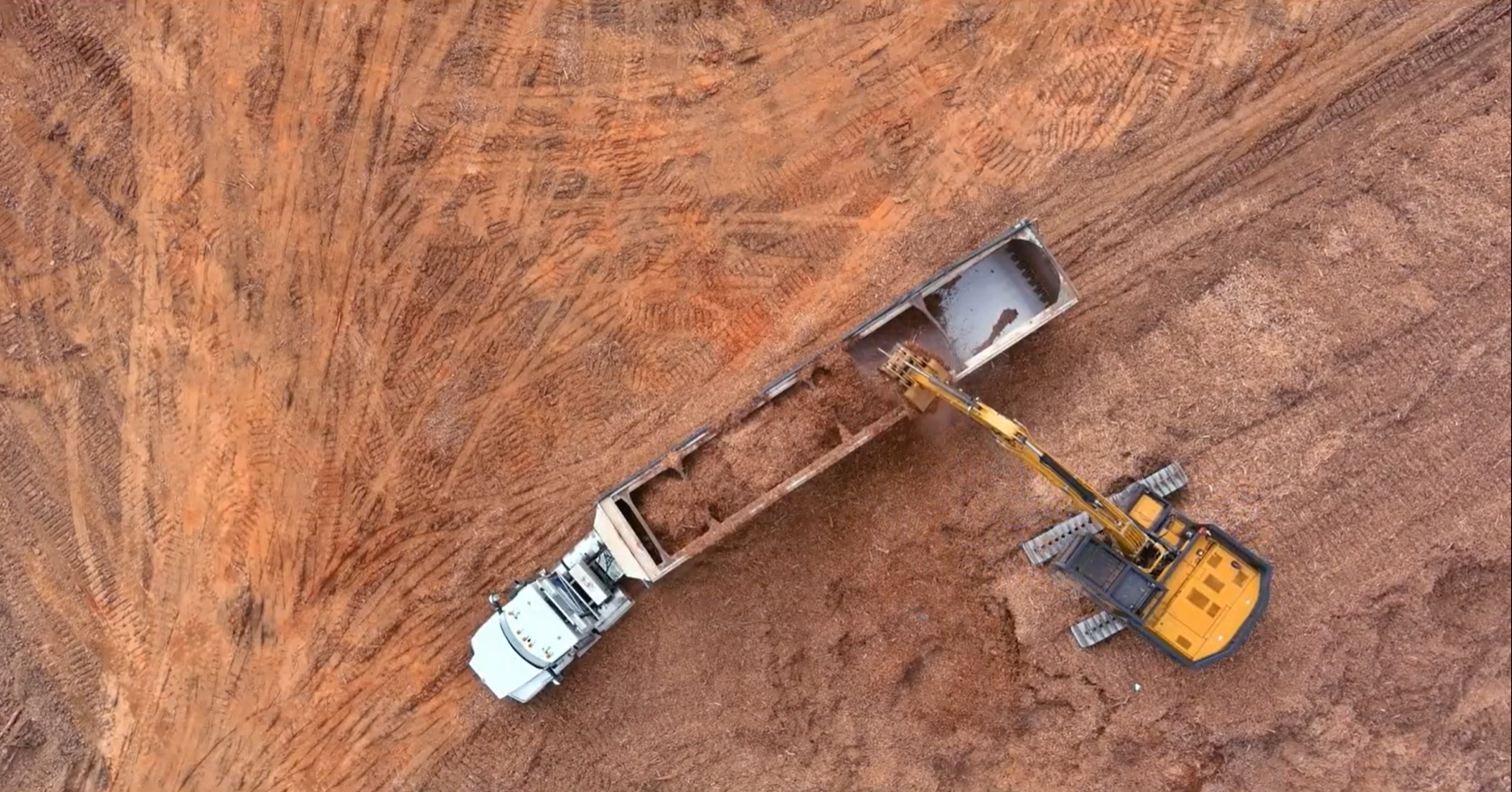
Caterpillar’s line of compact hydraulic excavators, and Cat Grade innovations have extended.
The 304 and 305 CR models are the most recent versions to be reengineered to the Cat next generation micro hydraulic excavator line design.
The Caterpillar Cat 304 and Cat 305 CR Next Generation Mini Hydraulic Excavators provide up to 20% more performance than their E2 series counterparts thanks to stronger bucket breakout forces, more power for the pumps, and higher conventional digging depths. Up to 10% less in owner and operating expenses are achieved by their longer filter service lifetimes, identical parts utilized throughout the entire line, and flat, simple-to-replace side panels.
The 304 and 305 CR models are the most recent versions to be reengineered to the Cat next generation micro hydraulic excavator line design. To make operator training and acclimation easier, all 17–20 Cat micro hydraulic excavators in the line, which range in class from 1.5 to 10 tonnes, share common traits and a continuous control architecture.
The 304 has a limited track width of 1700 mm (66.9 in), which is 254 mm (10 in) narrower than the 304 E2 and enables improved mobility and access to constrained spaces. The 304 was developed with a reduced radius design. The performance, balance, and stability of the 4-tonne class model are all enhanced by the 304 design, despite its thinner profile.
The model's level of stability is increased by its additional counterweight option and lower radius, which enable greater stability in all directions and when transferring weights.
The engine in the Cat 305 CR Excavator in the 5-tonne class generates about 9% more power to enhance machine performance. The effectiveness of digging in hard rock applications is increased by the higher breakout forces—49.2 kN (11,061 lbf) bucket, 28.3 kN (6,362 lbf) standard stick, and 25.2 kN (5,665 lbf) long stick—provided by hydraulic system modifications. Furthermore, it offers users of the 305 E2 140 mm (5.6 in) deeper dig depths, expanding the range of possible applications. The 1980 mm (78 in) track width and the additional counterweight option aid to improve stability and lift performance in constrained spaces, but the short radius swing reduces overhang when working to the side.
Both excavator models come with the angle dozer blade option, which increases the machine's adaptability for backfilling and finish grading tasks. The angle blade provides enough above- and below-grade movement with a traditional float function for straightforward clean-up. It rotates 45 degrees to the left or right of the center. The left joystick controls machine drive, while the right joystick moves the angle blade, maximizing efficiency and reducing the need for human intervention during final grading.
By altering machine weight to application needs, interchangeable counterweight kits offer the ideal balance between low ground pressure and lifting capacity. It is simpler to move from standard lever/foot-pedal steering controls to low-effort joystick use thanks to their special Cat Stick Steer System, which is solely offered by them. Two travel speed ranges and standard cruise control allow for the least amount of operator engagement when moving around the project.
The majority of Cat's next generation small hydraulic excavators have sealed and pressurized cab enclosures, which can be equipped with heating and/or air conditioning for year-round comfort. 360-degree visibility is provided by large glass panels and a skylight in the cab. Modern touchscreen technology on the large display enables easy monitoring of critical operating parameters and simple manipulation of machine functions. There is a cover option available in some places.
Through side doors, daily inspections of the 304 and 305 CR can be completed quickly from the bottom up. The line's improved use of common parts and resilience to damage from its exterior construction allow for reduced investment in parts inventory and cheaper repair costs. Because they receive more frequent maintenance, these excavators spend less time in the shop and more time operating.
Using on-board CPUs and quick-response sensors, Cat Grade with Advanced 2D provides real-time bucket tip and elevation assistance. With the use of this technology, operators may easily make grade design modifications while sitting in the driver's seat and develop and modify simple site designs. The technology's field installation includes all of the hardware, sensors, and specialized monitors required for creating, revising, and displaying grading plans.
Through the use of GPS and GLONASS technology, Cat Grade with 3D enables a variety of machines to grade according to complex worksite designs. The operator is alerted when the target grade has been reached by height and depth auditory alerts, preventing over- or undercutting. The monitor shows the bucket's position throughout the whole digging process. In addition to the hardware, sensors, and display needed for Grade with Advanced 2D, installation of Grade with 3D additionally needs GNSS receivers and antennas.
Cat Grade technologies come particularly handy for a number of tasks, such as flat pad home construction, footing excavating, and sewer and septic operations. They enable operators to cut quickly and with fewer passes. They facilitate work in low-visibility environments, improve grade consistency and quality for operators of all levels of experience, and even stretch the workday. By reducing costs related to time, labor, fuel, and material consumption, Cat Grade solutions help businesses quickly achieve their target grades and save overall operating expenses on the jobsite.